Buy istitutoaltierospinelli.eu ?
We are moving the project
istitutoaltierospinelli.eu .
Are you interested in purchasing the domain
istitutoaltierospinelli.eu ?
domain@kv-gmbh.de · 0541-91531010
Buy istitutoaltierospinelli.eu ?
What does wet chemical mean?
Wet chemical refers to a type of fire extinguishing agent that is specifically designed to combat fires involving cooking oils and fats. It works by cooling the fire and creating a barrier between the fuel and the oxygen, effectively extinguishing the flames. Wet chemical fire extinguishers are commonly used in commercial kitchens and other areas where cooking oils and fats are present. **
What is the training for a chemical laboratory assistant or chemical technician?
Training for a chemical laboratory assistant or chemical technician typically involves a combination of classroom instruction and hands-on laboratory experience. This may include coursework in chemistry, biology, mathematics, and laboratory techniques. Some programs also cover safety procedures, quality control, and data analysis. Additionally, students may have the opportunity to complete internships or co-op placements to gain practical experience in a real-world laboratory setting. Upon completion of their training, individuals may be eligible to pursue certification or licensure in their field. **


Similar search terms for Wet chemical
Top-Angebote
Products related to Wet chemical:
-
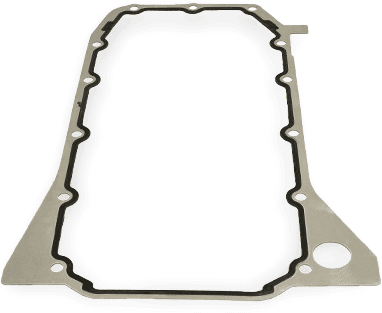
AJUSA 59004800 Gasket Set, wet sumpWeight [g]: 83,404; for OE number: 1606184; TecDoc Engine Number: 2668, 4805, 4776, 2709, 5260, 4775, 4806, 18376, 17614, 17580, 11147, 17681, 52317; Construction Year to: 12/1990, 12/1982; Fitting Position: inner; Engine Number to: 30E85748; Construction Year from: 01/198017,99 £*Shipping: 8,45 £Secure redirect to the provider
-
AJUSA 59015900 Gasket Set, wet sumpEngine Number from: 1815310, 1884195; Engine Number to: 1884195; TecDoc Engine Number: 9689, 22880, 22882, 24143, 22883, 22884, 22885, 25444, 25445, 12732, 12728, 7226, 10389, 39447, 39446, 20453, 32578, 32582, 32587, 7234, 44402; Construction Year from: 09/1994, 03/1994, 09/1993, 01/1996; Construction Year to: 12/1996, 01/1999; for OE number: 9948848337,99 £*Shipping: 8,45 £Secure redirect to the provider



-
What is the training for a chemical laboratory technician or chemical plant operator?
Training for a chemical laboratory technician or chemical plant operator typically involves a combination of formal education and on-the-job training. Most positions require at least an associate's degree in chemistry, chemical technology, or a related field. Additionally, technicians and operators often receive specialized training in safety procedures, equipment operation, and specific laboratory techniques. Some employers may also require certification or licensure, depending on the specific role and industry. Overall, the training for these positions is designed to provide individuals with the knowledge and skills necessary to work safely and effectively in a chemical laboratory or plant setting. **
-
How can a chemical technician further their education?
A chemical technician can further their education by pursuing a bachelor's degree in chemistry or a related field. They can also consider obtaining certifications or specialized training in areas such as laboratory techniques, safety procedures, or specific analytical instruments. Additionally, attending workshops, seminars, and conferences can help them stay updated on the latest advancements in the field. Finally, pursuing a master's degree or PhD can open up opportunities for higher-level positions in research or academia. **
-
How can one become a chemical technician with training as a chemical production specialist?
To become a chemical technician with training as a chemical production specialist, one can start by completing a training program in chemical production or a related field. This can include obtaining a certificate or associate degree in chemical production technology. After completing the training program, one can seek employment as a chemical production specialist to gain hands-on experience in the field. With experience and additional on-the-job training, one can then transition into a role as a chemical technician, utilizing their specialized knowledge and skills in chemical production. Additionally, obtaining relevant certifications or licenses in chemical technology can also enhance one's qualifications for a career as a chemical technician. **
-
What is the training for a chemical technician?
Training for a chemical technician typically involves completing a post-secondary certificate or associate degree program in chemical technology or a related field. These programs often include coursework in chemistry, biology, math, and laboratory techniques. Hands-on training in a laboratory setting is also a key component of the training, where students learn how to perform various chemical tests, analyze data, and operate laboratory equipment. Additionally, some employers may provide on-the-job training to further develop the skills needed for specific roles within the field. **

'Abitur or a training as a chemical technician?'
The decision between pursuing an Abitur or training as a chemical technician depends on your career goals and interests. If you are interested in pursuing higher education and potentially working in a research or academic setting, then obtaining an Abitur may be the better option as it provides access to universities and a wider range of career opportunities. On the other hand, if you are more interested in gaining practical skills and entering the workforce sooner, then training as a chemical technician may be the more suitable choice. Consider your long-term career goals and the type of work environment you prefer before making a decision. **
What is the wet look or wet effect?
The wet look or wet effect is a hairstyle or makeup trend that gives the appearance of being wet or glossy. In hair, it involves using products like gels, mousses, or oils to create a sleek, shiny, and wet appearance. In makeup, it typically involves using products with a high-shine or glossy finish to create a dewy and wet look on the skin. This trend can give a fresh and modern aesthetic to the overall look. **
Top-Angebote
Products related to Wet chemical:
-
Pusheen Wet wipes wet wipes for children 30 pcPusheen Wet wipes, 30 pc, Kids’ Body Care For Kids, The Pusheen Wet wipes cleansing wipes clean your child’s skin simply, quickly and reliably. Characteristics: long-lasting care for children’s skin removes dirt softens children’s skin has a soft surface How to use: Clean your child’s skin gently with the wipe. Use as needed.2,21 £*Shipping: 3,99 £Secure redirect to the provider
-
Sienna X The Chemical PeelThis VEGAN, ultra-clean formula combines 15% Glycolic and Fruit Acids to deliver visible, professional-level results for all skin types. A firm favourite among our professionals, this Chemical Peel is one of the salon’s essential products - perfect for creating the ultimate Sienna X facial experience. It’s also highly effective for acne-prone skin. 10% Glycolic Acid gently yet effectively exfoliates dead skin cells for a brighter complexion. 5% Natural Alpha Hydroxy Fruit Acids (AHA’s) enhance skin radiance and promote smoother texture. Allantoin soothes, calms, and reduces irritation. White Willow Bark Extract provides natural exfoliation. Suitable for all skin types, including acne-prone skin, without causing irritation. This 97% natural, vegan formula is free from Parabens, Gluten, Artificial Fragrance and Colours, GMOs, PEGs, SLS, Petroleum, Mineral Oils, and Nut Oils. Dermatologically tested, clinically proven, and certified by The Vegan Society.21,77 £*Shipping: 0,00 £Secure redirect to the provider
-
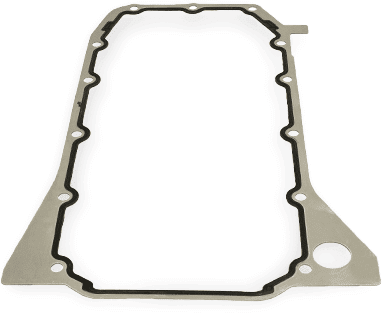
AJUSA 59004800 Gasket Set, wet sumpWeight [g]: 83,404; for OE number: 1606184; TecDoc Engine Number: 2668, 4805, 4776, 2709, 5260, 4775, 4806, 18376, 17614, 17580, 11147, 17681, 52317; Construction Year to: 12/1990, 12/1982; Fitting Position: inner; Engine Number to: 30E85748; Construction Year from: 01/198017,99 £*Shipping: 8,45 £Secure redirect to the provider
-
What does wet chemical mean?
Wet chemical refers to a type of fire extinguishing agent that is specifically designed to combat fires involving cooking oils and fats. It works by cooling the fire and creating a barrier between the fuel and the oxygen, effectively extinguishing the flames. Wet chemical fire extinguishers are commonly used in commercial kitchens and other areas where cooking oils and fats are present. **
-
What is the training for a chemical laboratory assistant or chemical technician?
Training for a chemical laboratory assistant or chemical technician typically involves a combination of classroom instruction and hands-on laboratory experience. This may include coursework in chemistry, biology, mathematics, and laboratory techniques. Some programs also cover safety procedures, quality control, and data analysis. Additionally, students may have the opportunity to complete internships or co-op placements to gain practical experience in a real-world laboratory setting. Upon completion of their training, individuals may be eligible to pursue certification or licensure in their field. **
-
What is the training for a chemical laboratory technician or chemical plant operator?
Training for a chemical laboratory technician or chemical plant operator typically involves a combination of formal education and on-the-job training. Most positions require at least an associate's degree in chemistry, chemical technology, or a related field. Additionally, technicians and operators often receive specialized training in safety procedures, equipment operation, and specific laboratory techniques. Some employers may also require certification or licensure, depending on the specific role and industry. Overall, the training for these positions is designed to provide individuals with the knowledge and skills necessary to work safely and effectively in a chemical laboratory or plant setting. **
-
How can a chemical technician further their education?
A chemical technician can further their education by pursuing a bachelor's degree in chemistry or a related field. They can also consider obtaining certifications or specialized training in areas such as laboratory techniques, safety procedures, or specific analytical instruments. Additionally, attending workshops, seminars, and conferences can help them stay updated on the latest advancements in the field. Finally, pursuing a master's degree or PhD can open up opportunities for higher-level positions in research or academia. **
Similar search terms for Wet chemical
-
AJUSA 59015900 Gasket Set, wet sumpEngine Number from: 1815310, 1884195; Engine Number to: 1884195; TecDoc Engine Number: 9689, 22880, 22882, 24143, 22883, 22884, 22885, 25444, 25445, 12732, 12728, 7226, 10389, 39447, 39446, 20453, 32578, 32582, 32587, 7234, 44402; Construction Year from: 09/1994, 03/1994, 09/1993, 01/1996; Construction Year to: 12/1996, 01/1999; for OE number: 9948848337,99 £*Shipping: 8,45 £Secure redirect to the provider
-
AJUSA 59016300 Gasket Set, wet sumpConstruction Year to: 11/2017; TecDoc Engine Number: 32027, 31667, 45714, 32026, 33106, 36171, 32036, 36172, 33903, 33904, 34203, 34439, 33111, 35306, 36169, 34850, 35481, 36877, 41145, 41280, 45706, 36591, 36590, 45007, 40416, 37375, 38068, 37682, 37374, 41771, 44381, 44186, 41167, 45012, 41075, 41332, 44389, 44654, 4741737,49 £*Shipping: 8,45 £Secure redirect to the provider
-
How can one become a chemical technician with training as a chemical production specialist?
To become a chemical technician with training as a chemical production specialist, one can start by completing a training program in chemical production or a related field. This can include obtaining a certificate or associate degree in chemical production technology. After completing the training program, one can seek employment as a chemical production specialist to gain hands-on experience in the field. With experience and additional on-the-job training, one can then transition into a role as a chemical technician, utilizing their specialized knowledge and skills in chemical production. Additionally, obtaining relevant certifications or licenses in chemical technology can also enhance one's qualifications for a career as a chemical technician. **
-
What is the training for a chemical technician?
Training for a chemical technician typically involves completing a post-secondary certificate or associate degree program in chemical technology or a related field. These programs often include coursework in chemistry, biology, math, and laboratory techniques. Hands-on training in a laboratory setting is also a key component of the training, where students learn how to perform various chemical tests, analyze data, and operate laboratory equipment. Additionally, some employers may provide on-the-job training to further develop the skills needed for specific roles within the field. **
-
'Abitur or a training as a chemical technician?'
The decision between pursuing an Abitur or training as a chemical technician depends on your career goals and interests. If you are interested in pursuing higher education and potentially working in a research or academic setting, then obtaining an Abitur may be the better option as it provides access to universities and a wider range of career opportunities. On the other hand, if you are more interested in gaining practical skills and entering the workforce sooner, then training as a chemical technician may be the more suitable choice. Consider your long-term career goals and the type of work environment you prefer before making a decision. **
-
What is the wet look or wet effect?
The wet look or wet effect is a hairstyle or makeup trend that gives the appearance of being wet or glossy. In hair, it involves using products like gels, mousses, or oils to create a sleek, shiny, and wet appearance. In makeup, it typically involves using products with a high-shine or glossy finish to create a dewy and wet look on the skin. This trend can give a fresh and modern aesthetic to the overall look. **
* All prices are inclusive of VAT and, if applicable, plus shipping costs. The offer information is based on the details provided by the respective shop and is updated through automated processes. Real-time updates do not occur, so deviations can occur in individual cases. ** Note: Parts of this content were created by AI.